



The Most Frequent Problems in Jewelry Repairing: Top 7
Key Takeaways
- Knowing the symptoms of wear helps not to experience costly breakages and loss of stones.
- In order to do the repairing of the piece properly, certain techniques must be used, like laser welding.
- Care and cleaning will allow you to have your jewelry for a long time.
Top 7 Common Jewelry Repair Issues and How Experts Fix Them
Precious jewelry items are designed to be worn and enjoyed, to admire, and to pass on from one generation to another. But inevitable wear caused by constant friction, changes in the environment temperature, and accidental contacts with other objects cannot but affect any metal and gem.
The ability to recognize the signs requiring professional assistance will save you either from simple and easy fixing or from losing the precious center stone. If you decide to try online jewelry repair services or visit your local bench jeweler, it is better to know about common problems of jewelry construction. Here is the list of the seven most popular jewelry repair problems and how to fix them.
1. Ring Sizing and Band Adjustments
Seasons change and temperatures go up and down, which means that a ring fitting in winter may become too big in summer.
- The Problem: Rings that keep spinning or cutting into your skin are not only uncomfortable but can slip away from your finger anytime.
-
The Expert Solution: For reducing the ring size, a jeweler cuts a part of the band and solders it again. For sizing up, they expertly stretch the metal or insert a matching bridge of precious metal, followed by thorough polishing to erase any trace of the join.
2. Worn or Broken Prongs
Prongs are small metal claws that keep your valuable stones securely held.
- The Problem: After years of wearing against clothing, bedding, and other objects, prongs become worn down, bend, or break and get noticed when they start to catch on sweaters.
-
The Expert Fix: According to the severity of the problem, a professional jeweler can choose to repair the claw with prong retipping (metallic alloy is added to the top of the claw) or restructure the whole head setting in order to ensure that the stones are securely held.
3. Loose or Fractured Gemstones
An unexpected blow or weakening of the mounting can result in loose gemstones within the ring setting.
- The Problem: If you hear slight clicking sounds when lightly tapping your ring or see that a stone is not seated properly, then the structure of the setting has been compromised.
-
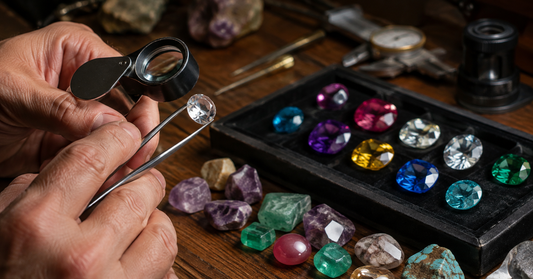
The Expert Fix: Experts apply a special method of claw tighting or bezel modification or replace the stone completely if it has a fracture. Special microscope settings help jewelers to apply metal over the girdle precisely.
4. Broken Chains and Damaged Clasps
Necklaces and bracelets face constant pressure, torque, and tension throughout everyday wear.
- The Problem: The fragile links within the chains break, rings come off the jump ring, and the springs within lobster clasps or spring rings lose their elasticity due to constant use.
-
The Solution: Jewelry professionals will match the exact karat grade, color, and millimeter width of the original chain and use precision torch and laser welding techniques to make the link whole again without any breakage.
5. Surface Pits and Metal Tiredness
Such precious metals as 14k, 18k gold, sterling silver and any other metal gain natural pits and discoloration due to wear and contact with rough surfaces.
- Problem: The accumulation of body oils, lotions, and tiny scratches on the metal cause diffusion of light reflected by the piece of jewelry and loss of its polished and reflective appearance.
-
Solution by an Expert: Using the process of polishing with the help of polishing wheels, baths in ultrasonics, and compounds, an expert returns to the jewelry its shine and smoothness. Rhodium plating is used for the restoration of white gold.
6. Stretching or Weakening of Pearl Stranding
Pearls that are natural and organic require completely different care from the one recommended for jewelry made of precious or semi-precious gems and metals.
- Problem: The silk stringing is affected by continuous exposure to body oils, perfumes, moisture and becomes stretched, sags and breaks.
-
Solution by an Expert: Artisans take apart the jewelry and string the pearls by means of a very old technique of knotting every pearl separately.

7. Earring Back Failures and Post Realignment
Earrings are subjected to many stresses during both insertion and removal, as well as regular movements throughout the day.
- Problem: The friction back becomes too loose; omega backs cease snapping into place; posts bend, causing discomfort or the risk of falling out of the ear.
-
Expert Solution: Jewelry technicians fix bent posts with pliers, tighten the friction back clasp, or replace the earring mechanism altogether.
How often do I need to have my fine jewelry professionally inspected?
It is recommended that your fine jewelry undergo professional cleaning and inspection once every six to 12 months, especially when wearing engagement rings and other fine jewelry on a daily basis.
Conclusion: Protect Your Treasure
If you overlook some minor defects such as prongs catching on clothing or loosened clasps, you will certainly face more expensive repairs or even the terrible loss of the precious gemstone in the future. Relying on professionals in order to take care of your jewelry ensures not only its financial but also its sentimental value.
Check your jewelry collection now and save it from any damage in the future!
Tags:
Previous
7 Premium Jewelry Gifts from Around the World for Every Skin Tone
Next
Custom Jewelry vs. Ready-Made Jewelry: Which Is Right for You?
Related articles


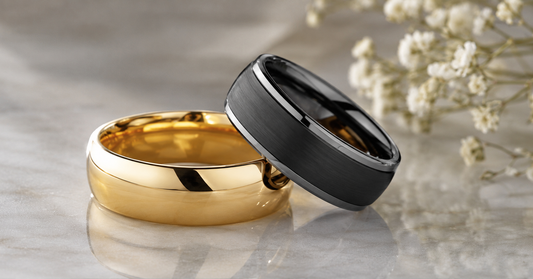
Are Tungsten Wedding Bands Better Than Gold?
Jul 28 2026